
Impact of Wave Pool Companies on Extreme Sports


Intro
In recent years, wave pools have surged in popularity, becoming essential for both seasoned athletes and newcomers looking to dip their toes into the world of extreme water sports. With the technology revolutionizing surfing and other aquatic activities, these man-made marvels are not just about thrill; they come with a range of opportunities that can reshape how practitioners engage with their sport. This exploration aims to shed light on the profound impact that wave pool companies have on the ecosystem of extreme sports, focusing on technology, training, and market dynamics.
Understanding wave pools' mechanics is crucial, but equally important is how they foster communities and contribute to the culture surrounding extreme water sports. Whether you're a surfing aficionado or just starting out, grasping the nuances of these developments can significantly augment your experience in the water.
Techniques and Tips
Wave pools have changed the game, acting as a controlled environment for honing skills. In this section, we will dive into practical techniques and useful tips for maximizing your experience in these pools.
Skill Development
One of the most compelling attributes of wave pools is their ability to aid in skill development. Here are some strategies to consider:
- Start with Basics: Focus on getting comfortable with the board and balancing. Better control over your movements lays a strong foundation.
- Fall Safely: Learning how to fall correctly can save you from a bruised ego and injuries. The water is your friend, so practice techniques for safe descents.
- Observation: Take time to watch others ride the waves. This provides insights on positioning, transitions, and tricks that can elevate your performance.
Practical Techniques
Understanding the mechanics of your wave pool can also help optimize performance. Here are some practical tips:
- Positioning: Learn where to position yourself. Depending on wave height and speed, small adjustments can mean the difference between a smooth ride or wipeout.
- Paddle Practice: Spend time perfecting your paddling. Consistent and rhythmic strokes will help catch the wave more effectively.
- Timing: Recognize and work with the wave cycle. See when the energy builds and how to seize that moment for take-off.
Common Mistakes to Avoid
Many novices fall into easily avoidable traps in wave pools:
- Overexertion: Trying to force a wave can tire you before you achieve success. Know your limits.
- Neglecting Safety Gear: Always wear proper equipment, like a helmet or wetsuit, even in controlled environments, to mitigate risks.
- Ignoring Environment: Always be aware of your surroundings. Other surfers and the design of the pool can impact your experience.
Gear and Equipment
The right gear can make a world of difference in performance and safety. Here’s what you need to know.
Essential Gear for Beginners
Starting with the basics is key. For those new to wave pools:
- Soft-top Surfboard: Ideal for beginners due to its buoyancy and stability.
- Wetsuit: Keeps you warm, especially in cooler waters. It also offers buoyancy and protection.
- Leash: A trusty leash prevents your board from drifting away after a fall, ensuring your safety.
Latest Innovations and Trends
Wave pool technology is evolving, and here are some innovations to keep an eye on:
- Variable Wave Settings: Adjustable wave heights allow for tailored experiences, catering both to pros and novices.
- Real-time Feedback Devices: Wearable tech that provides immediate data on performance metrics like speed and balance does wonders for training evaluations.
- Eco-friendly Designs: Some companies are pushing for sustainable operations, utilizing renewable energy sources for wave generation.
Safety Measures
With any extreme sport, safety should never be taken lightly. We'll outline what you need for safe participation in wave pools.
Essential Safety Gear
Before hitting the waves, ensure you have:
- Life Jackets: For those unsure of their swimming abilities.
- Helmets: Especially important for high-impact maneuvers.
- Rash Guards: Protect your skin from chafing and sun damage.
Best Practices for Safe Participation
Here are guidelines for maintaining safety while enjoying the thrill of wave pools:
- Warm-Up: A solid warm-up routine prepares your muscles and reduces injury risks.
- Stay Within Your Skill Level: Choose waves that match your current ability.
- Hydrate: Keep your body well-hydrated, especially on warm days.
Finale
As wave pool companies continue to innovate and expand, they reshape not just the way we engage with water sports but ultimately how communities connect through shared experiences. By understanding the equipment needed, skills to develop, and safety measures to consider, both amateurs and seasoned professionals can navigate the wave pool game effectively. As we ride the wave of future advancements, one thing is clear—these pools represent a melting pot of tradition and innovation, inviting all thrill-seekers into the lifestyle of water sports.
"It’s not just about the ride; it’s about the community and shared passion for surfing that drives the evolution of wave pools and extreme sports."
For further insights and tips, check out Wikipedia's wave pool page or Britannica's overview of surfing.
Prologue to Wave Pool Technology
Wave pool technology has, without a doubt, changed the face of extreme water sports in recent years. With these man-made wave generators, enthusiasts can experience the thrill of surfing, regardless of their geographical location or season. This technology not only bridges the gap between surf culture and the masses but also opens avenues for professional training that were once limited by the natural elements. Surfing, once an activity dependent on the tides and mother nature, is now accessible and manageable, thanks to this innovation.
Understanding Wave Generation Mechanisms


Central to the functioning of wave pools is the principle of wave generation mechanisms. There are two dominant technologies employed: mechanical and hydraulic systems. Mechanical systems often utilize devices such as paddle machines or pneumatic bladders. These systems replicate the swell of ocean waves, providing peak performance for surfers and instruction for learners. For example, the technology used by Wavegarden employs a device that pushes water towards the surface to create continuous waves, enabling an endless surf without the long wait.
On the other hand, hydraulic systems harness the natural movement of water. The advantages include the ability to regulate wave size and frequency, which is critical for specific training purposes. This aligns perfectly with the needs of aspiring surfers who seek to hone their skills.
Understanding these mechanisms offers enthusiasts a peek into the technology that allows for fine-tuning waves, be that for novices or pros, helping to shape how surfers interact with the waves in a controlled environment.
Comparative Analysis of Wave Pool Designs
Diving deeper into wave pool designs reveals that not all wave pools are created equal. There are several configurations that cater to different objectives. The diversity of designs plays a crucial role in how they're utilized.
- Lagoon-style Pools: These are the larger, more expansive pools that resemble a beach, offering multiple peaks. This design is perfect for surfers wanting to experience various wave types without moving across the vast ocean.
- Closed Systems: These pools generate waves in a contained area and are especially useful for training. A closed system can produce smaller and less powerful waves, making them ideal for beginners or surfers wishing to practice specific tricks.
- Open Systems: Here, waves are produced in a more traditional sense, akin to the ocean. This method is popular among experienced surfers who crave realistic wave conditions.
The designs of wave pools fundamentally influence the training capacity for surfers, emphasizing technique, style, and consistency.
As wave pool technology continues to evolve, the outcomes for its users are promising. From understanding mechanics to evaluating designs, these elements form the backbone of wave pool contributions to the extreme sports community. Each design caters to a specific audience, whether they be thrill-seekers aspiring to ride massive waves or learners finding their footing on a surfboard.
The Role of Wave Pools in Surfing Training
Wave pools have become a game changer in the world of surfing. They offer controlled environments that are ideal for both newbies and seasoned surfers looking to fine-tune their skills. Unlike natural waves that come with unpredictable factors, wave pools allow surfers to practice in a more structured setting. This predictability brings a host of benefits, from enhancing technique to providing opportunities for safer training.
For many surfers, training is just as crucial as competition. Often, the difference between an amateur and a pro lies not just in athletic ability, but in the experience gained from hours spent rehearsing techniques. With wave pools, this experience can accumulate much faster. Whether it's learning to paddle effectively or performing complex maneuvers, the ability to replicate wave conditions makes all the difference in a surfer's progression.
Techniques Improved by Wave Pool Practice
Surfers practicing in wave pools can focus on specific techniques without the chaotic elements found in nature. Here are some key techniques that can benefit greatly from wave pool practice:
- Paddling Efficiency: With consistent wave patterns, surfers can concentrate on optimizing their paddling techniques. They can develop better endurance and learn how to catch waves with precision.
- Timing and Rhythm: Mastering the art of timing is crucial in surfing. Wave pools provide repeated opportunities to practice picking the right moment to stand up on the board, allowing surfers to hone their rhythm and flow.
- Tricks and Maneuvers: Advanced surfers can utilize wave pools to practice aerial tricks and complicated maneuvers repeatedly. The controlled nature of the waves reduces the likelihood of injury while perfecting the execution of stunts like 360s or grabs.
In addition, wave pools often feature varying wave heights and conditions that can simulate different surfing environments. This variability can be particularly advantageous for competitive surfers who face diverse scenarios in their heats.
Case Studies of Professional Athletes
Several professional surfers have increasingly turned to wave pools as a significant part of their training regimen. Take, for instance, Kelly Slater, who is known not just for his prowess in natural surf but also for leveraging the technology of wave pools to maintain his edge. With his involvement in the Kelly Slater Wave Company, he has championed this new wave of surfing training.
Another notable athlete is Maya Gabeira, a big-wave surfer, who attributes part of her success to time spent in wave pools. She utilizes them to practice high-pressure situations that are reminiscent of competitive environments.
These scenarios, along with their results in competitions, indicate a notable trend: athletes who invest time in controlled training environments often outperform their peers. The data suggest that strength, style, and consistency emerge more robustly with regular practice in wave pools, proving their viability as essential training tools.
"Wave pools build the confidence needed to take on enormous swells. The transition is smoother when you’ve practiced the nuances of surfing in a controlled environment." - Maya Gabeira
Market Trends in Wave Pool Companies
The emergence of wave pools is not just a novel response to the demand for sustainable surfing environments but also a reflection of shifting trends within the broader water sports industry. As extreme sports continue to gain traction, the importance of understanding market dynamics surrounding wave pool companies cannot be overstated. This section discusses key elements such as the rise of new players, economic implications, and the transformative influence of these facilities on surfing culture.
Emergence of New Players in the Industry
The landscape of wave pool companies has seen an influx of new entrants aiming to capitalize on the growing interest in artificial surfing environments. Players such as WaveGarden and Kelly Slater Wave Company have not only pushed the envelope regarding technology but also inspired startups to explore their unique designs and concepts.
New companies are increasingly investing in innovative strategies, merging technology with creativity. For instance, Citywave has redefined the miniature wave pool concept, allowing urban areas to integrate surfing into public parks. Furthermore, niche companies are focusing on quality and environmental sustainability, appealing to a more eco-conscious clientele.
The entry of these fresh faces into the market often catalyzes competition, leading to advancements across the board, including:
- Improved wave consistency and quality for varying skill levels.
- Sustainable practices in water use and energy consumption.
- Enhanced user experiences, integrating integrated social spaces and retail aspects within the parks.
Their contributions often lead to a variety of offerings, allowing for a blend of recreational activities that attract broader demographics beyond just surfing enthusiasts.
Investment Growth and Economic Impact
Investment in wave pool companies has surged, reflecting the economic potential tied to this market segment. Both private and public sectors are recognizing the multifaceted benefits that wave pools bring. The economic impacts can be vast, ranging from job creation to increases in local tourism.
Significant investments often come from established players who see the long-term value in these ventures. For instance, American Wave Machines has seen substantial growth by securing deals with theme parks and resorts, effectively expanding their footprint.
The implications of this investment growth are as follows:
- Job Creation: As wave pools become more prevalent, there’s a rising demand for skilled workers—lifeguards, wave pool operators, and maintenance staff. Local economies benefit from increased employment.
- Tourism Boost: Wave pools act as attractions in their own right, drawing visitors from outside regions. The NLand Surf Park in Austin, Texas, stands as a testament to this trend, generating substantial revenue not just from entrance fees, but also from surrounding businesses and hospitality sectors.
- Real Estate Development: Proximity to wave pools enhances property values in surrounding areas. Developers are increasingly looking for opportunities to build residential and commercial facilities near these entertainment hubs.
Environmental Considerations of Wave Pools
Understanding the environmental footprint of wave pools is key in the context of their rising popularity in extreme sports. As wave pools proliferate, they bring both opportunities and challenges for natural resource management. The conversation around water usage, conservation strategies, and ecological impact is pertinent for wave pool developers, environmentalists, and users alike. Balancing the benefits of enhanced surfing experiences with sustainability can lead to a more responsible approach to extreme sports.
Water Usage and Conservation Techniques
Water is the lifeblood of wave pools. These facilities often rely heavily on substantial volumes of water to create realistic surfing conditions. However, efficiency in water usage has become a rising concern as these establishments spring up in various regions, sometimes in areas where water resources are already stretched.
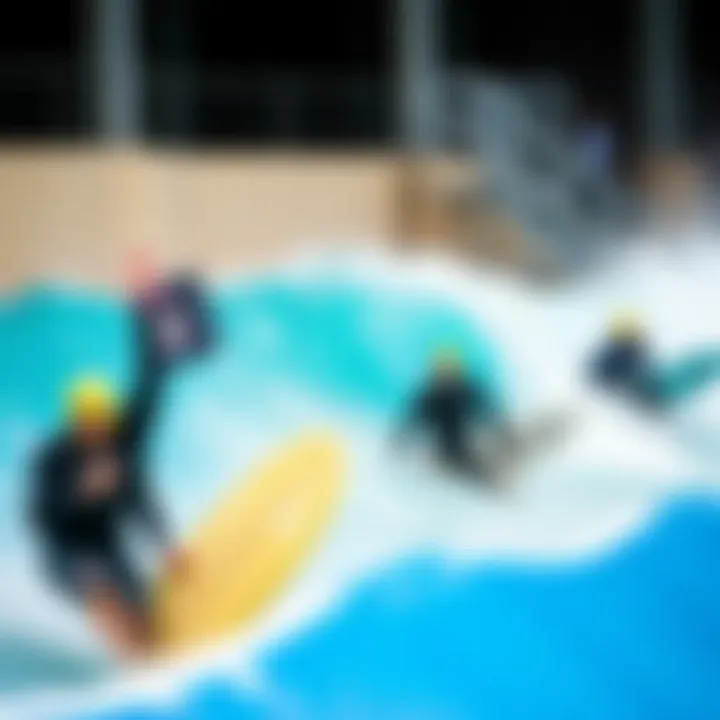
- Recirculation Systems: Many modern wave pools use advanced recirculation systems that minimize water loss. The mechanisms ensure that much of the water used to generate waves is continually cycled back into the pool after filtering and cleaning.
- Rainwater Harvesting: Some wave pool companies are integrating rainwater harvesting techniques. By capturing rainwater, they reduce dependency on municipal water supplies.
- Efficient Filtration: Utilizing efficient filtration systems can lessen the need for frequent water replacement, conserving water while maintaining cleanliness and safety standards.
- Water Testing and Monitoring: Implementing rigorous water testing protocols can help ensure that wave pools maintain hygiene without excessive water changes, thus saving on resources.
These conservation techniques are not just good for public relations; they can translate to reduced operational costs in the long run. Moreover, they foster a culture of sustainability within the extreme sports community, setting a standard for what responsible engagement with the environment looks like.
Impact on Local Ecosystems
The influence of wave pools on local ecosystems cannot be understated. The introduction of large, artificial bodies of water into the environment raises various ecological concerns. The effects can be subtle yet significant, affecting both terrestrial and aquatic life.
- Biodiversity Disruption: When wave pools are constructed, the surrounding habitats can face disruption. Existing wildlife, flora, and fauna may be adversely affected, leading to altered ecosystems.
- Hydrological Changes: The addition of a wave pool can change local water flow dynamics. This can affect nearby water bodies, impacting fish migration patterns and the ecological balance.
- Chemical Runoff: Increased chemical usage for water treatment may lead to runoff that negatively impacts nearby soil and waterways. A spike in nutrients can cause algae blooms, which in turn deplete oxygen levels in local waters, endangering aquatic life.
It's crucial for wave pool developers to take these factors seriously. Engaging with environmental impact studies and local communities before and during the development process can go a long way in mitigating potential adverse effects.
Ultimately, the goal is to ensure that while wave pools deliver exhilarating surfing experiences, they do so responsibly, preserving the integrity of the environments in which they are located. Staying mindful of water usage and local ecosystems can make a world of difference, promoting a harmonious relationship between extreme sports enthusiasts and nature.
For further exploration on these environmental dynamics, visit Britannica and Wikipedia.
Awareness, adaptations, and actions today can pave the way for a more sustainable sporting future.
Cultural Shifts in Surfing Due to Wave Pools
The emergence of wave pools marks a significant shift in the cultural landscape of surfing. As these artificial surf facilities continue to grow in number and popularity, they are redefining how individuals engage with surfing. This transformation not only expands access for enthusiasts but also alters the very essence of the sport itself. The impact is profound, touching everything from local communities to global surfing culture and shaping the future of extreme water sports.
Redefining the Surfing Experience
Wave pools offer a controlled environment where surfers can hone their craft, a luxury not typically afforded by natural ocean conditions. This shift provides a unique opportunity for both beginners and seasoned athletes, allowing them to practice techniques repetitively and refine their skills without the unpredictability of ocean waves.
- Accessibility: Historically, surfing has often been governed by factors such as geography, weather, and ocean conditions. Wave pools mitigate these challenges, making the sport more accessible to individuals in landlocked areas or regions with less favorable surf conditions.
- Skill Development: Surfers can now focus on specific maneuvers, such as aerials or tube riding, without battling the elements. For instance, many athletes utilize wave pools to land tricks repeatedly, turning previously daunting challenges into achievable feats.
- Culture and Commerce: As wave pools become commercial entities, they transition surfing from a purely sport-centric activity to a more entertainment and experience-driven one. This evolution transforms surf culture, creating a new wave of enthusiasts who may not have otherwise engaged with the sport.
"Wave pools are not just structures for surfing; they are a canvas for creativity and the future of our surf culture."
Community Engagement and New Trends
With the rise of wave pools, community engagement in surfing is reaching new heights. These facilities are becoming gathering places, pushing social and cultural boundaries while fostering new trends within the sport. Popularity grows not only in participation but also in community-oriented events surrounding wave pools.
- Local Involvement: Many wave pools host competitions, workshops, and social events, drawing local communities together. This inclusivity develops a sense of belonging among surfers, fostering an environment where surf culture can thrive.
- Emergence of New Trends: The variety and consistency of waves in a pool setting allow for experimentation that may not occur in the ocean. New styles and techniques are emerging as athletes push each other and the sport forward. Think of it as a hotbed for innovation where the boundaries of traditional surfing are continuously challenged.
- Social Media Influence: The digital age has also played its part. With social media capturing every epic moment, wave pools become stages for sharing experiences. Every perfect wave can be broadcasted, creating a shared culture that transcends geographical limitations.
In essence, wave pools are not merely facilities for catching waves; they are catalysts for a broader cultural shift in surfing. As communities adapt and evolve in tandem with these innovations, the impact ripples outwards, continually shaping the future of this beloved extreme sport.
The Business Model of Wave Pool Companies
Understanding the intricacies of the business model employed by wave pool companies is crucial to comprehending their impact on extreme sports. These companies not only provide a platform for training and recreation, but they also create a unique ecosystem that combines sport, entertainment and community engagement. By focusing on revenue streams and partnerships, we can glean insights into the operational frameworks that support these thriving enterprises.
Revenue Streams and Cost Structure
Wave pool companies have developed diverse revenue streams that keep the financial wheels turning. The main sources of income can include:
- Hourly Access Fees: Users often pay by the hour to surf, which can be a lucrative model, especially during peak times.
- Membership Packages: Many facilities offer yearly or monthly memberships, providing consistent income while fostering a community of regular users.
- Events and Competitions: Hosting events, whether they be local competitions or professional tournaments, draws additional crowds and often attracts sponsorships, enhancing revenue further.
- Food and Beverage Sales: Some wave pools double as leisure parks with cafes or food trucks, tapping into the lucrative food and beverage market.
- Retail Sales: Partnerships with brands may lead to retail space for surf-related apparel and gear, creating another stream of income.
Cost structures for these companies also reflect the complexities of running a wave pool business. Investments in maintenance, staffing, insurance, and utilities can accumulate quickly. Moreover, the initial investment for the technology and construction of wave pools can be substantial. Managing operational costs effectively is essential for longevity in this competitive landscape.
Partnerships with Brands and Sponsorships
The wave pool industry has cleverly leveraged partnerships to amplify its brand while fostering a deeper connection with the surf community. Brand partnerships often encompass:
- Co-Branded Events: Collaborations with established surf brands or lifestyle companies result in events that not only promote the pool but also bring brand visibility to a targeted audience.
- Sponsorship Deals: Working with major companies like Vans or Red Bull can provide a financial backbone to competitions, while simultaneously boosting the profile of the wave pool itself.
- Influencer Collaborations: Engaging well-known surfers or extreme sports influencers brings authenticity to marketing efforts and can significantly widen audience reach through social media channels.
- Joint Marketing Campaigns: The power of a combined marketing effort can reach broader demographics, drawing awareness not only to the wave pool but also its partners' products.
Through these strategic alignments, wave pool companies not only enhance their visibility and support their operations but also create a vibrant culture that attracts thrill-seekers and extreme sports enthusiasts alike.
"In a world where surfing can be elusive and weather-dependent, wave pools democratize the sport, providing predictable conditions for all level surfers."
The evolving business model underscores the importance of combining traditional revenue mechanisms with innovative partnerships as a pathway to sustainability and growth in this niche yet dynamic domain. For continued success, these companies must remain agile, adapting to trends and consumer preferences in the ever-changing landscape of extreme sports.
For further exploration of the wave pool phenomenon, check out resources like Wave Pools on Wikipedia or dive deeper with surf industry insights on Surfline.
Future Prospects and Innovations in Wave Pools
The future of wave pools is not just about replicating the ocean's experience, but pushing the boundaries of extreme sports. These innovations in technology and expansion plans hold great significance for both athletes and enthusiasts. As wave pool companies continue to evolve, the sector is poised for tremendous growth. Understanding these dynamics is crucial for anyone keen on the thrills associated with extreme water sports.
Technological Advancements on the Horizon
Innovations in wave pool technology are emerging at a staggering pace. The focus is shifting towards creating waves that not only resemble ocean swells but also cater to various skill levels. This allows both novices and experienced surfers to find their groove. Here are some noteworthy developments:
- Advanced Wave Generation: Companies like Surf Lakes are introducing setups that create multiple types of waves in one session. This could mean everything from gentle rollers for beginners to powerful barrels for the pros, all in the same venue.
- Data Analytics: With the integration of AI and machine learning, companies are now able to analyze user patterns and preferences better than ever. This technology allows for customizing sessions that meet specific needs – enhancing the training experience for aspiring athletes.
- Sustainable Practices: There's a growing emphasis on environmental awareness. Many wave pool designers are incorporating systems that recycle water and minimize energy consumption, ensuring that the thrill doesn't come at the planet's expense.
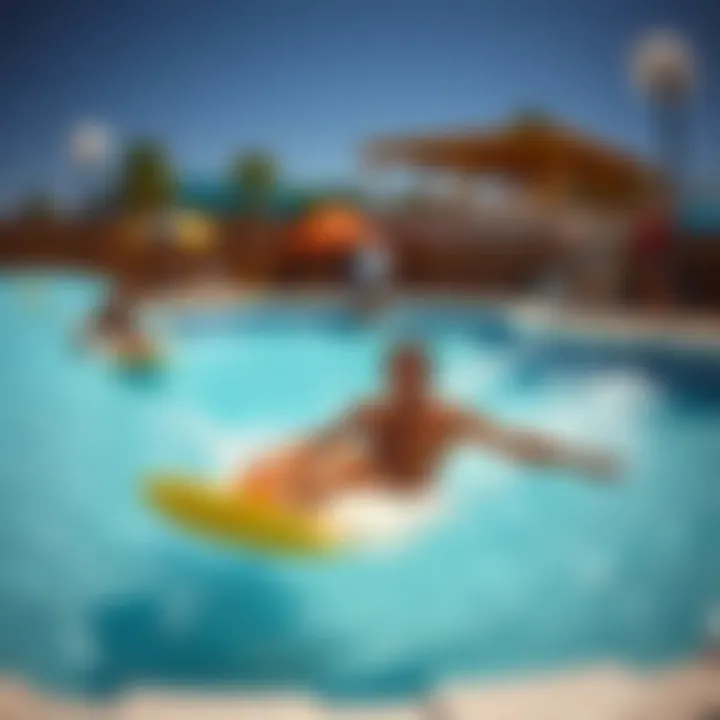
"Innovation means creating a space where all levels of surfers can enjoy the water without compromising the ocean's future."
As technology melds with sustainability, the wave pool of tomorrow could become a model for both ecological and recreational balance.
Potential for Global Expansion
The potential for wave pool companies to expand across the globe is remarkable. As interest in extreme sports grows, so does the market for wave pools. Two key elements to consider regarding this expansion are:
- Emerging Markets: Countries such as China and India are showing significant interest in water sports, creating opportunities for international wave pool companies. These nations have both the investment capability and a burgeoning class of adventure seekers eager to try surfing in synthetic environments.
- Tourism Integration: Local governments are taking notice of the tourism potential associated with wave pools. They can draw in not just surfing fans but also families looking for entertainment. The development of complexes integrating hotels, restaurants, and other leisure activities centered around wave pools can enhance both community economies and the sport's reach.
In summary, the wave pool industry is riding a wave of innovation that is poised to expand globally. With the right mix of technology and accessibility, the future appears bright for wave pools.
For further reading on advancements in wave technology, you might explore sources like Wikipedia or Britannica. To stay updated on trends in extreme sports, Reddit offers a vibrant community for discussions.
Challenges Faced by Wave Pool Companies
The advent of wave pool technology has considerably reshaped the extreme sports arena, especially surfing. However, wave pool companies face a unique set of challenges that require both strategic foresight and operational adaptability. These hurdles can significantly impact their growth trajectory, and understanding them provides essential insights for enthusiasts and stakeholders in the water sports industry.
Regulatory Hurdles and Safety Standards
Navigating the complex web of regulations and safety standards can be akin to surfing through a turbulent wave. Wave pools must comply with an array of local, state, and federal regulations, which can often vary widely. This is particularly crucial for ensuring the safety of users and the surrounding environment.
- Health and Safety Regulations: Most jurisdictions mandate strict health and safety standards to protect both surfers and staff. This includes protocols for water quality, sanitation, and equipment safety. Meeting these standards can be costly and time-consuming. Failure to comply can lead to shutdowns or legal consequences, putting a strain on financial resources.
- Environmental Regulations: The ecological footprint of wave pools has become a focal point for scrutiny. Companies are increasingly pressured to demonstrate that their operations do not harm local ecosystems. This means adhering to laws concerning water usage, pollution, and wildlife preservation—obstacles that can complicate construction and maintenance.
"Navigating regulations is a landscape all its own; companies must be prepared to adapt and evolve continuously to meet these demands."
The process of acquiring permits and licenses can delay projects, and companies might find themselves caught between the need for innovation and the stringent frameworks within which they operate.
Competition with Natural Surfing Destinations
The charm of a natural beach, with its rolling waves and salt air, holds a strong allure for many surfers. Wave pools, while innovative, still face competition from traditional surfing destinations. The rivalry is not just between differing surf environments; it's about the quality of experience offered.
- Authenticity of Experience: While wave pools can create ideal conditions for training and practice, they often fall short of providing the raw experience of riding a wave in the ocean. Natural surfing locations offer a sense of authenticity and connection to nature that manufactured environments may lack. Many surfers argue that nothing can replace the feeling of surfing in the open ocean.
- Perceived Value: The cost to access wave pools can also be a prohibitive factor compared to the free experience of surfing in the ocean. Companies must communicate effectively the benefits of wave pools, like consistent wave quality and training opportunities, to justify their costs.
- Local Surf Culture: Surfers often develop a sentimental connection to their local beach spots. This emotional bond can make them less inclined to transition to wave pools, even when practical benefits are evident. Companies need to find ways to bridge the gap between the traditional surf culture and the new wave pool experience.
In a marketplace that thrives on innovation and experiences, companies must distinguish themselves to draw in both dedicated surfers and curious newcomers. They have to continuously assess how they can enhance their offerings while addressing these competitive pressures.
With so many challenges in sight, wave pool companies must thoroughly evaluate their strategies to not just survive but thrive in this competitive environment. By focusing on regulatory compliance and finding ways to coexist with traditional surf spots, they can carve out a niche that appeals to today’s thrill-seekers and future water sports enthusiasts.
Consumer Interest and Public Perception
When it comes to wave pools, understanding consumer interest and public perception is crucial. This topic speaks volumes about how well these innovations resonate with the community of thrill-seekers and extreme sports enthusiasts. Amidst growing trends in water sports, the popularity of wave pools has intensified, influencing both budding surfers and seasoned pros alike. Such establishments are no longer just limited venues for recreation; they are emerging as cultural hubs where athletes and the community converge.
Demographics of Wave Pool Users
Diving deeper into the demographics of wave pool users, we unearth a mosaic of passionate individuals eager to pursue their love for water sports. Predominantly, these users tend to be young adults, ranging from 18 to 35 years old, drawn to the adrenaline rush and camaraderie found in surfing. However, this is not a rigid box.
- Families are increasingly part of the mix, as many wave parks offer safe environments for children to learn aquatic skills.
- Tourists, often on vacation, are now frequenting these wave facilities, attracted by the promise of a unique experience without having to travel to the beach.
- Aspiring pros are also significant, using these controlled conditions to refine their skills and tackle challenging maneuvers without the unpredictability of the ocean.
Having robust data on this diverse user base allows wave pool companies to tailor their marketing strategies and build community interactions around their specific clientele. Their understanding of different needs and preferences is like gold; it helps in creating personalized experiences that enhance user retention and satisfaction.
Influencer Marketing and Social Media Impact
In today’s digital age, the role of influencer marketing and social media impact cannot be overlooked. Platforms such as Instagram and TikTok have become pivotal in shaping perceptions around wave pools. Here’s how:
- Influencers often showcase their thrilling rides via high-quality videos or dramatic pictures, creating a buzz among their followers. This visual storytelling sparks curiosity and excitement, encouraging their audience to seek out these experiences for themselves.
- The ability to share real-time experiences allows wave pool companies to tap into user-generated content, leading to organic promotion. Enthusiasts documenting their adventures in these man-made waves share not just the thrill but also build community around shared experiences.
- Brands not directly connected to water sports also see an opportunity. Collaborations with businesses that resonate with the lifestyle—like athletic wear companies—can further amplify the consumer engagement.
*"The influence of social media has shaped a new generation of surfers, making wave pools a mainstream entertainment hub rather than just a niche offering."
With this dynamic playing out, companies find themselves at the intersection of innovation and customer engagement. They must adapt their strategies continuously, harnessing the most effective promotional channels to keep pace with shifting trends and maintain their value in this fast-evolving market.
This engaging narrative around consumer interest and public perception outlines just how central these aspects are to the wave pool business model, enriching our understanding of this emerging wave of excitement in water sports.
The End: The Integration of Wave Pools in the Future of Extreme Sports
As we look to the horizon of extreme sports, wave pools emerge as pivotal players in shaping the future landscape. These facilities are not simply technological marvels but also dynamic hubs that fuse tradition with innovation. The interplay between wave pools and extreme sports reflects a growing recognition of accessibility and inclusivity in water-based activities.
Summarizing Key Takeaways
- Training Opportunities: Wave pools provide consistent and reliable conditions, allowing athletes to hone their skills year-round, unaffected by weather conditions or seasonal tides. This is crucial for up-and-coming surfers who need a controlled environment to master their techniques.
- Market Growth: The wave pool industry is experiencing a surge, with new companies entering the market, backed by substantial investments. This growth indicates a recognition of the demand for alternative surfing venues, breaking geographical barriers.
- Environmental Considerations: While these pools offer tremendous benefits, they also pose challenges in terms of water usage and ecosystem impacts. As such, sustainable practices must be prioritized to ensure that wave pools contribute positively to local environments.
- Cultural Relevance: Wave pools are changing how communities engage with surfing. They are not just places to surf; they are becoming social centers where diverse groups come together for a love of the sport.
Call to Action for the Industry and Community
As the wave pool phenomenon continues to rise, it is essential for industry stakeholders to approach their development strategically and ethically. Here are several points to take note of:
- Sustainable Practices: Companies should invest in technologies that minimize water consumption and embrace eco-friendly materials in their construction. This will mitigate the ecological footprint associated with wave pools.
- Community Programs: Engage with local surf schools and organizations to develop programs that facilitate learning and access for all community members. This enhances inclusivity and strengthens the cultural fabric surrounding surfing.
- Collaboration and Innovation: Partnerships with tech companies for improved wave generation technology and enhanced safety measures are critical. Collaborating with local governments can also help address regulatory challenges in a constructive manner.
In the swirl of excitement brought by wave pools, there lies a deeper responsibility to ensure they serve as catalysts for positive change in the extreme sports arena. The thriving connection between technology, culture, and community paves the way for an exhilarating future in surfing and water sports.
"Wave pools are not just waves; they are opportunities, experiences, and adventures waiting to unfold."
For further insight, check out Wikipedia on Wave Pools and Climate Impacts on Water Usage for more details on sustainable practices in water sports.