Straye Skateboarding: Style, Technique, and Culture
Intro
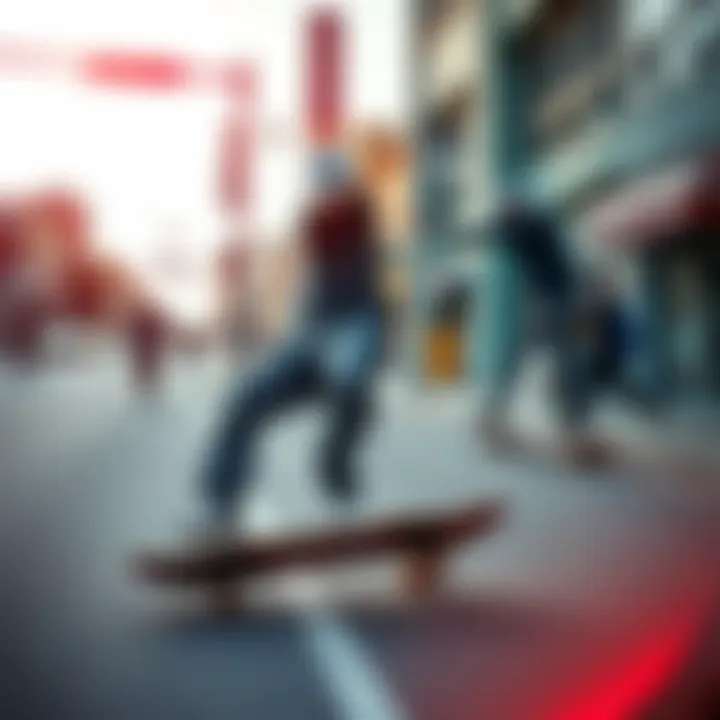
Skateboarding has always been more than just a way to get from point A to B; it’s a culture, a lifestyle, and for many, a pervasive form of self-expression. Among its myriad styles, straye skateboarding stands out, a unique blend where technical finesse meets urban flair. It's where the concrete jungle morphs into the stage for enthusiasts to showcase not just their tricks but their aesthetic and identity.
In the realm of straye skateboarding, the roots trace back to the streets where it initially thrived, reflecting the influences of various music genres and clean lines of fashion. This substyle's evolution paints a portrait not only of the technical advancements in skateboarding but also the shifts in community interaction and individual narratives. Whether you’re a seasoned skater or someone just dipping your toes into this thrilling world, there’s an inherent charm in the techniques and culture surrounding straye skateboarding.
From the moment a skater pushes off from the sidewalk, there’s an inherent connection formed with both the board and the atmosphere. The artistry in maneuvers, the distinct aesthetic choices in gear, and the camaraderie felt in local skate parks are essential threads woven into this vibrant community. Thus, this piece aims to dissect the intricacies that make straye skateboarding a lively convergence of style and technique, while offering practical insights into how newcomers can dive into this dynamic front.
As we navigate through the elements that shape straye skateboarding, we’ll explore the unique techniques that set it apart, the essential gear that fuels performance, safety measures every skater should mind, and the communal spirit that enriches the journey of this subculture.
Understanding Straye Skateboarding
Straye skateboarding exists at the intersection of style and technique, and understanding this niche brand of boarding is essential for both practitioners and observers alike. As a subculture, straye skateboarding is not just about rolling on a wooden plank; it embodies a broader lifestyle and artistic expression deeply rooted in community and individuality. By dissecting the various layers of straye skating, we gain insight into how this subculture has transformed the way we view skating as a form of personal and cultural artistry.
For enthusiasts, understanding straye skateboarding involves more than just the tricks and technical aspects. It taps into the significance of aesthetic choices, the innovations that shape the gear, and the cultural context that influences community dynamics. Appreciating these elements helps riders not only to elevate their skills but also to connect with a rich tapestry of shared experiences and identities.
Defining the Term
Straye skateboarding is a distinctive style often characterized by its casual, laid-back approach juxtaposed with high-level technical skill. The term itself can often confuse those unfamiliar with skateboarding's many subgenres. It embodies an attitude that encourages creativity over conformity. Unlike traditional skate styles that often prioritize competition, straye skating fosters a more inclusive atmosphere, where individual expression is celebrated.
In essence, straye skateboarding shatters the molds set by mainstream skate culture, allowing riders to carve out their own paths, both literally and metaphorically.
Historical Context
To truly grasp where straye skateboarding stands today, one must also take a look back at the origins and evolution of skateboarding as a whole. Throughout the late 20th century, the sport grew from its humble beginnings as a pastime in California to a worldwide phenomenon. Various skate scenes played a crucial role in the development of styles and techniques, paving the way for various expressions that now define straye skating.
The rise of digital media has also catalyzed the growth of distinct skate subcultures. Early skate videos showcased daring tricks combined with a vibrant aesthetic that would later influence clothing, music, and art. This historical perspective reveals that straye skateboarding isn't just an isolated phenomenon; rather, it’s an extension of a legacy built by countless skaters who dared to push the envelope of creativity.
Cultural Significance
Straye skateboarding holds a mirror to contemporary society, reflecting both its advantages and challenges. The culture surrounding this style of skating emphasizes community and personal growth over commercial fame or accolades. The friendships forged on local skate parks and streets become vital support systems, providing not just camaraderie but also emotional resilience.
Moreover, straye skating contributes to broader social conversations about identity, belonging, and non-conformity. It’s often seen as a vehicle for youth to explore self-expression, challenging norms and celebrating diversity in all forms. The inclusive nature of straye skateboarding makes it a powerful statement against the mainstream, allowing individuals from varied backgrounds to come together under a shared passion.
"In the world of straye skateboarding, style is not just how you ride; it’s who you are and how you connect with others."
In summation, understanding straye skateboarding provides insight into a complex web of history, culture, and individual expression. It’s where freedom of movement meets the artistry of design, creating not only a unique style but an evolved culture that encourages its followers to embrace their uniqueness.
The Evolution of Straye Skateboarding
The evolution of straye skateboarding is more than simply a timeline; it represents the heartbeat of a culture that has thrived against the odds. This section delves into the various elements that shape straye skateboarding, tracing how it has morphed from its early influences to become a significant subculture within the larger skateboarding scene. Understanding this progression not only highlights the artistry and technique involved but also emphasizes community ties and social dynamics that have defined straye skateboarding.
Early Influences
To grasp the roots of straye skateboarding, one must first look back at its early influences. The movement didn’t spring up overnight; it drew on decades of previous styles, techniques, and cultural shifts that paved the way. Streets, empty lots, and surf culture played immense roles in shaping this substyle. In the 1970s, skateboards were simple wooden planks with wheels, but as skateboarders began experimenting with tricks, the tools also evolved.
Moreover, street skating emerged from the need to adapt urban environments into playgrounds. Influenced by the rebellious nature of punk rock and the fluidity of surfing, skaters embraced the ethos that anything could be a skate spot. The daring spirit of early pioneers, such as Tony Hawk and Steve Caballero, provided a foundation that straye skaters could build upon, taking bold risks that blurred lines between categories.
Key Figures and Icons
In every movement, there are individuals who stand out, and straye skateboarding is no different. Figures such as Ed Templeton and Jordan Thackeray have become icons, each contributing distinct flavors to the skateboarding mix. Their unique styles range from artistic expression to technical prowess, inspired by various elements like street art and DIY punk ethos.
These skaters serve as beacons for the younger generation, not just in terms of skating skill but in attitude and approach to culture. They embody the revolutionary spirit that encourages skaters to harness self-expression through their boards. From their signature tricks to their influence on fashion trends, they have played key roles in evolving how straye skateboarding is perceived and embraced.
Milestones in Development
The development of straye skateboarding is marked by key milestones that shifted both technique and cultural perception. One landmark event was the introduction of more advanced board designs, with companies like Girl Skateboards and Almost creating boards that catered to a wide array of tricks popularized within the straye community.

Innovation in technology also led to the growth of skate parks, providing safe havens for skaters to hone their skills while pushing boundaries further. Competitions, like the X Games, showcased straye skaters’ talents on a global stage, allowing for an infusion of street culture in mainstream acceptance.
Every accomplishment in the world of straye skateboarding has been a stepping stone, fueling a passion and evolution that inspires today's thrill-seekers. The journey depicts a tapestry woven with personal stories, bold expressions, and unyielding dedication to mastering the craft.
*"Straye skateboarders don't just ride; they create their own realities through sheer tenacity and boundless imagination."*
With each progression, from its early influences to today’s key figures, straye skateboarding stands as a testament to the resilience and creativity that define its culture, inviting everyone to experiment and explore their limits.
Aesthetic Elements of Straye Skateboarding
The aesthetic elements of straye skateboarding play a crucial role in defining not just the sport but also the community surrounding it. This subculture thrives on visual identity and personal expression, which are fundamental for its practitioners. From the design of the boards to the fashion styles adopted by skaters, these aesthetic aspects provide insight into the personalities and values of those who practice this art. The visual appeal of straye skateboarding doesn't just attract onlookers; it fosters a sense of belonging and pride among skaters.
Board Design and Customization
When discussing board design, a vital aspect emerges: customization. Many skaters view their board as a canvas, where creativity knows no bounds. Unlike traditional skateboards that come straight out of a factory, straye skaters often personalize their gear with vibrant stickers, unique paint jobs, or even hand-carved designs. This practice is more than decor; it represents individual narratives and experiences.
- Shape and Size: Skateboards vary widely in shape and size, with each design influencing ride and trick performance. Wide boards may provide stability for tricks, while narrower shapes increase maneuverability.
- Materials: The choice of wood, grip tape, and additional materials also reflects an aesthetic choice. Using recycled woods or eco-friendly materials can symbolize a commitment to sustainability.
In essence, customization not only enhances visual appeal but also resonates deeply with the identity of the skater. It transforms a simple board into a powerful reflection of who they are.
Fashion Trends within the Scene
Fashion trends in straye skateboarding are as diverse as the individuals who ride. Clothing styles often evolve to include comfortable yet stylish pieces that allow for movement while also expressing attitude. Baggy pants, oversized tees, and layered jackets are common, often adorned with graphics that speak to skate culture.
The colors and styles chosen by skaters frequently mirror broader social statements or seasonal trends. Footwear, particularly the choice of skate shoes, merits attention as well. Brands like Vans and Nike SB often tie into the skate lifestyle, each offering performance features and styles that resonate with the aesthetic of the scene.
- Accessories: Caps, beanies, and backpacks are additional elements that contribute to the overall look. Many skaters opt for gear that not only complements their outfit but also serves a practical purpose.
- Movement and Expression: Overall, the fashion in straye skateboarding isn't merely about aesthetics; it allows skaters to make statements. When they hit the streets, the paths they take are a form of self-expression that intertwines with their fashion choices.
Influence of Art and Music
Straye skateboarding lives at the intersection of various art forms, profoundly influenced by both music and visual art. Musicians, particularly from the punk, hip-hop, and local underground scenes, frequently lend their voices to the skate community, creating a soundtrack for rides and events.
Art, too, plays a significant role. Many skaters find inspiration in street art and murals, which often serve as a backdrop for their sessions. The graphics on the boards themselves often borrow from these artistic expressions, establishing a dialogue around identity, rebellion, and community.
- Collaborations: Notably, collaborations between brands and artists elevate both the skate and art worlds. Limited edition boards featuring artist designs can quickly become collector's items, blending commerce with creativity.
- Community Events: Events like art shows or concerts hosted at skate parks reinforce this connection. They become opportunities for skaters and artists to mingle, inspiring new forms of creative expression.
Techniques and Skills in Straye Skateboarding
Straye skateboarding is not just about the flashy tricks or stylish boards; it encompasses a wide range of skills and techniques that riders hone over time. These techniques form the backbone of what it means to be part of this unique subculture. Enthusiasts aspiring to master this craft must recognize the importance of these skills, as they not only enhance performance but also foster a sense of community and personal expression. Learning various techniques can be likened to a musician mastering their instrument—each maneuver has its own rhythm, requiring practice and dedication to achieve fluidity.
Basic Tricks and Maneuvers
For those just starting out, mastering basic tricks is a crucial step. Common maneuvers like the ollie or kickflip serve as the foundational building blocks for more advanced techniques. These basic skills are essential, and here's a quick rundown of some that every aspiring skater should consider:
- Ollie: This trick involves popping the tail of the board while dragging your back foot up, allowing the rider to jump and clear obstacles. It’s fundamental, as it sets the stage for many other moves.
- Kickflip: Once you can ollie, adding a flick of the front foot to spin the board in mid-air makes the kickflip a vital trick in a skater’s arsenal.
- Shuvit: Involves spinning the board 180 degrees while keeping the rider in place. It’s a mesmerizing visual once executed correctly.
These tricks might seem straightforward, but they require countless attempts to perfect. Consistency helps build muscle memory, which is crucial on the board.
Advanced Techniques
As skaters progress, they often look to advance their skillset with more complex tricks. Achieving fluency in advanced maneuvers not only showcases skill but also encourages creativity in each run. Here are a few standout techniques:
- Heelflip: Similar to a kickflip, the skater uses the heel to initiate the board’s flip movement instead of the toes.
- Grind Variations: Mastering grinds, whether it be a smith grind or feeble grind, opens up opportunities to engage with urban architecture creatively, making skateboarding a form of street art.
- Aerial Tricks: Techniques like the tre flip or the 540 shove-it require excellent board control and timing. The thrill of successfully pulling off these moves can be exhilarating.
Practicing advanced tricks often leads to spills and scrapes, which is a natural part of the learning process. Embracing the trial and error aspect builds resilience among skateboarders.
Safety Precautions
With all the excitement that comes with skateboarding, safety should never be an afterthought. In the pursuit of executing that perfect trick, ignoring protective measures can lead to serious injuries. Here are some important safety tips worth considering:
- Wear Proper Gear: Always sport a helmet, knee pads, and elbow pads. Protective gear significantly reduces the risk of injury during falls.
- Choose the Right Environment: Practicing in designated skate parks can provide a safer environment, whereas street skating demands a more cautious approach.
- Know Your Limits: It’s tempting to push boundaries but listening to your body is key. If something feels off or risky, stepping back is sometimes the best call.
"Skateboarding is 90% mental, and the other half is physical." - A quote reflecting the interplay between mindset and skill in the skating world.
These elements of technique and skill not only serve to elevate performance but also deepen the connection between the skater and their community. As skateboarders continue to engage with their craft, they are encouraged to innovate and explore their style, all while keeping safety at the forefront.
By mastering these techniques, skaters not only develop their abilities but also weave themselves into the vibrant fabric of straye skateboarding culture, sharing a passion and an identity that thrives on creativity and collaboration.
Community and Social Dynamics
Understanding the community and social dynamics surrounding straye skateboarding is crucial for anyone keen on grasping the full tapestry of this subculture. It’s not merely about tricks or gear; it’s also about the relationships forged, the shared experiences, and the collective identity that forms within these social networks. Local skate parks, competitions, and the online sphere constitute the veins of this vibrant community, each contributing to the growth and evolution of skateboarding culture.
The Role of Local Skate Parks
Local skate parks are more than just venues for tricks; they serve as sanctuaries for skateboarders. These spaces often become hubs of activity where like-minded individuals gather to share their passion, ideas, and styles. The layout of a park can significantly influence the types of maneuvers skaters will focus on, from the smooth transitions of a bowl to the rugged edges of street courses.
Skate parks also foster inclusivity. Newcomers can watch seasoned pros and learn through observation. It’s common to see informal mentorship happening between older skaters and young novices. The exchange of tricks and techniques flows freely, creating a rich educational environment. One can't underestimate the role of camaraderie built in these parks; friendships often transcend age, race, and backgrounds. This unity often leads to informal competitions among peers, further enhancing the skills of each member and solidifying their love for the sport.
Events and Competitions
Events and competitions play a vital role in intensifying the thrill and excitement within the straye skateboarding scene. They provide a platform where skateboarders can showcase their skills, creativity, and distinct styles.
Competitions also serve as milestones for personal growth. Success can mean everything from raw satisfaction to public recognition, urging skaters to dial up their game and push their limits.
Local contests might be small but hold great significance. They bolster community spirit and often feature a festive atmosphere, where spectators cheer on their favorites. The electricity in the air during these events is palpable. The collective energy and excitement can light a fire under any skater, setting the stage for both improvement and inspiration.
Another fascinating aspect is that winning doesn’t always matter. What truly counts is the experience, the atmosphere, and the connections made. Many skaters revel in participating more than competing, viewing each event as another opportunity to learn something new and to network within the community.
The Online Skate Community
In today’s digital age, the online skate community has become a prominent facet of straye skateboarding. Social media platforms like Instagram and TikTok have opened up avenues where skateboarders can share their rides, tricks, and lifestyle with a global audience at the tap of a button. This accessibility allows skaters from even the farthest corners of the world to connect.
Forums on sites such as Reddit serve as rich sources of information, allowing skaters to exchange tips, seek advice, or simply share their love for the sport. The supportive nature of many online communities can’t be overstated. These platforms often spark conversations about challenges faced on and off the board, fostering a culture of encouragement that resonates deeply among enthusiasts.
Moreover, streaming platforms have given rise to numerous skateboarding channels and broadcasts. Skate videos, tutorials, and even live competition streams provide insights into the lives of skaters while keeping the spirit of skate culture alive.
As a result, the online skate community contributes to the broader dialogue around straye skateboarding, offering platforms for collaboration and the sharing of unique styles and techniques. New skateboarders find motivation and mentors online, paving their path in the real world.
In summary, the community surrounding straye skateboarding is multifaceted and dynamic, shaped by local skate parks, events, and online interactions. Each element enhances the skateboard experience, forging deep connections and fostering a shared love for the sport.
Straye Skateboarding and Mental Resilience
In the realm of straye skateboarding, one cannot overlook the profound connection between the sport and mental resilience. This subculture, thriving on the essence of individuality and personal expression, offers more than thrilling stunts or stylish gear. It serves as a crucible for forging mental toughness, a space where enthusiasts learn to navigate their fears, adapt to challenges, and ultimately flourish in a supportive yet exhilarating environment. The importance of mental resilience in this scene goes beyond skating itself; it seeps into the very fabric of life, enhancing well-being and fostering personal growth.
Building Confidence through Challenges
Every kickflip, grind, or ollie attempts presents a chance to face hurdles head-on. As skaters tackle progressively difficult tricks, they inevitably build a reservoir of confidence. Each successful attempt reinforces a sense of capability, while falls and failures—inevitable companions in the world of skateboarding—foster a robust mindset. For instance, when a skater struggles to land a trick, the process of learning what went wrong, adjusting techniques, and trying repeatedly ignites a seed of resilience. Failure in this context is not a dead end but rather a stepping stone toward improvement, both on the board and in life.
"Skateboarding isn't just about the tricks; it's about rising again after every fall, both literally and figuratively."
The skate culture encourages young bloods to take risks, pushing their limits to break through mental barriers. Juggling between practice and perseverance cultivates an unwavering self-belief, creating a ripple effect that influences various facets of life outside of skating.
Overcoming Fear and Anxiety
Fear may be a constant companion for those who step onto a skateboard, from the initial wobbly rides to more advanced maneuvers. This anxiety, albeit uncomfortable, is a common feature of extreme sports, and straye skateboarding is no different. However, what sets this subculture apart is its inherent method of transforming fear into a powerful ally. Skaters often learn to face their anxieties by progressively confronting them—starting small and building toward more intimidating challenges.
Each session at the local skatepark reveals a familiar sight: skaters hesitating at the edge of a ramp or a rail, caught between trepidation and determination. The act of pushing through that hesitation—be it taking the plunge or mastering a new trick—works wonders in reducing anxiety over time. As skaters experience victories, even small ones, the once daunting fears begin to seem more manageable. This process not only refines their techniques but gifts them tools to handle life’s uncertainties beyond the smooth pavement.
The Impact on Personal Growth


Engaging in straye skateboarding shapes personal development in remarkable ways. The lessons learned on the skateboard resonate deeply. A skater often transitions from a passable trick to a skilled maneuver over time—a reflection of patience, timing, and commitment. This gradual evolution can mirror personal struggles in other areas. The very essence of learning to skate—embracing failure, persistently trying to improve, and eventually mastering a challenge—serves as a powerful metaphor for life.
Research has shown that physical activities like skateboarding uniquely enhance emotional intelligence and resilience. The grit and determination cultivated on the board translate into a more confident approach in personal relationships, academic pursuits, and future careers. Helping others within the skate community further nurtures a sense of belonging and mutual support, which reinforces these traits.
As straye skateboarding continues to flourish, so does its capacity to nurture mental resilience. With each push, drop, and slide, skaters not only develop skills but also rhythmically transform their cognitive landscapes into more adaptable and fortitudinous terrains.
Environmental Considerations in Skateboarding
As skateboarding continues to grow in popularity, issues surrounding environmental sustainability gain urgency within the subculture. Skateboarding isn't just an art form; it's also a lifestyle interwoven with interactions between skaters and their surroundings. Understanding how skateboarding can align with eco-friendly practices is essential for enthusiasts who wish to ride the wave of change in a responsible manner.
A meaningful commitment to sustainability can directly influence the longevity of skate spots and, by extension, the natural landscapes that many skaters cherish. Resorts, urban jungles, and community parks often serve as the playgrounds for those who love the sport. Thus, it becomes vital for the skateboarding community to consider its footprint and how its actions affect these spaces.
Sustainability in Gear Production
Producing skateboards, protective gear, and accessories raises a critical question about the materials used. Homemade boards, crafted from local wood, can minimize transportation emissions and bring some charm into the mix. Likewise, brands like Element and Birdhouse have made strides in governmentally approved sustainable methods of production through materials like bamboo and recycled plastics.
- Eco-friendly materials: Brands increasingly prioritize sustainably sourced wood and non-toxic finishes, while many community activists strive to promote ridesharing and public transportation to greenlight eco-conscious practices.
- Local manufacturing: Supporting local artisans promotes community and decreases the carbon footprint associated with shipping. Less hauling means less pollution and more support for the local economy.
By encouraging skaters to choose sustainable gear and participate in eco-conscious waves, a harmonious relationship can develop between this community and the environment.
Urban Spaces versus Natural Locations
Urban settings are the heartbeat of skateboarding culture, but they come at a cost to the environment. Lots of asphalt, concrete, and disused buildings may seem like a skater’s paradise, yet they lack the natural beauty and ecological benefits of outdoor locations.
- Preserving nature: Skate spots in the wild not only offer unique challenges but also help foster respect for nature. Nature serves as both a backdrop and a playground for unique maneuvers; think the thrill of shredding down a granite rock in a secluded forest.
- Increased community synergy: Skate events in natural surroundings can promote environmental stewardship when raising awareness about local habitats and bringing together skaters from various backgrounds.
- Neglected spaces: Urban spaces often face wear and tear due to extensive skater activity, making it essential for skaters to advocate for maintaining these areas. Celebrating the look and feel of skateboarding culture should also mean advocating for repairs and clean-up in local spots.
Skaters often have the knack for uncovering hidden gems in neglected urban environments, thinking beyond mere skate spots. Equipping themselves with knowledge about the environment can deepen respect and connection with the very places that inspire their passion.
Advocacy for Skate Spots
To protect beloved skate spots, community advocacy becomes critical. Skaters by themselves might seem like a loose collection of individuals, but they become unified champions when looking out for common interests. By addressing concerns regarding run-down locations and proposing ideas for new parks, skaters can create a coalition for sustainable outdoor spaces.
- Policy influence: Encouraging local governments to consider skate parks in their development plans can go a long way in ensuring new spaces are included in urban planning.
- Refurbishing projects: Local initiatives can bring people together—whether it’s cleaning up a run-down park or holding a fundraiser for maintenance. Events bring life to dormant spaces while building relationships across diverse groups of skaters.
- Engagement with local organizations such as skateboarding forums and eco-groups benefits everyone. By sharing resources and knowledge with organizations focused on environmentalism, the skate community can strengthen itself, moving towards a more sustainable direction.
Thus, advocacy isn't just about skateboarding; it's also about carving a space in the broader conversation around environmentalism.
Creating a future for straye skateboarding means integrating respect for the environment into its very ethos. Those who pick up the board contribute to a tradition that thrives on maneuvering not just through urban landscapes but also amongst a deeper responsibility to protect our planet.
The Future of Straye Skateboarding
The landscape of straye skateboarding is continuously shifting, influenced by various factors that hinge on culture, technology, and community dynamics. As urban settings evolve and new generations of skaters join the fold, the essence of straye skateboarding faces a unique crossroad. Gleaning insights into its future provides not only a vantage point for enthusiasts but also a blueprint for how the subculture can adapt while maintaining its identity.
Emerging Trends
The straye skateboarding scene is seeing a fresh infusion of creativity and individuality. Among the emerging trends, one can observe a growing preference for unique board designs, as skaters seek to express themselves visually. Customized graphics and handmade elements are becoming increasingly popular, allowing skaters to turn their boards into canvases reflecting personal journeys.
Furthermore, the fusion of streetwear and skate culture is redefining what it means to be stylish on a board. High-profile collaborations between skate brands and fashion labels introduce bold aesthetics that merge utility with fashion. As the boundaries dissolve, the notion of being a skater becomes more inclusive, drawing in individuals who may have once felt alienated.
- Increased interest in sustainable materials for boards and gear
- The rise of video culture, with content focusing on urban exploration and storytelling
- Community-led design projects, integrating local artists’ styles into skateboarding
"Fashion is not just an accessory; it's part of the skateboard culture's evolution or it ends up losing its vibrancy."
Technological Innovations
While aesthetics are pivotal, technology's role in straye skateboarding cannot be overlooked. Innovations in materials have strengthened boards while keeping them lightweight. Companies are experimenting with eco-friendly processes to cater to an eco-conscious audience, which aligns with the growing demand for sustainability mentioned above.
Additionally, augmented reality is beginning to peek into the skate world, providing new avenues for interactive experiences. Imagine a smartphone app that overlays performance tips onto a skater's perspective while they ride; it's a future that may not be far off. This integration of tech fosters a more connected skater community and opens avenues to share knowledge and skill easily.
- Use of 3D printing for custom skate parts
- Development of wearables that provide performance feedback
- Apps that offer virtual lessons from experienced skaters
The Role of Youth Culture
Youth culture remains the lifeblood of straye skateboarding. The youth not only witness the shifts in trends and innovations but also actively shape them. Today's skaters are driven by a desire for authenticity and an understanding of global issues, such as environmentalism and inclusivity. They often use their platforms on social media to advocate for local skate initiatives alongside broader social movements.
This generational shift towards activism can foster a community focused on not just achieving personal goals, but also on supporting one another. The micro-communities that develop within cities can lead to a renaissance in straye skateboarding, pushing it towards unique collaborations and shared experiences that were previously unimaginable.