
Discovering the Top Rapids in the US for Thrill Seekers
Intro
When the rush of water crashing against rocks echoes in your ears, and the thrill of navigating unpredictable rapids fuels your spirit, you've stepped into the heart of one of America’s most exhilarating pastimes: whitewater rafting. From the depths of the Grand Canyon to the wild currents of West Virginia, the United States is home to a cacophony of river systems, each offering unique landscapes, challenges, and experiences for both newbies and seasoned paddlers. The adventure of river running is about much more than just the rapids; it’s about understanding the river's soul, respecting its power, and embracing the camaraderie often found on these watery trails.
As we embark on this exploration of the best rapids found across the country, we’re set to uncover some hidden gems and timeless favorites. Our journey will not only highlight the distinctive characteristics of these thrilling waterways but also provide practical insights into skill development, safety measures, and the gear needed for a successful outing. Whether you’re just dipping your toes into whitewater or you're a veteran looking to test your mettle, this guide is designed to offer valuable information tailored to help you make the most of your adventure.
So, grab your paddle and prepare to plunge into an immersive experience that fuses nature's awe-inspiring beauty with the adrenaline of the ride. Let's dive into the essential techniques and tips that every adventurer should equip themselves with before hitting the rapids.
Foreword to Whitewater Rafting
Whitewater rafting is not merely a sport; it’s an exhilarating dance with nature, where water’s force merges unpredictably with the adventurer's spirit. This section delves into the importance of understanding whitewater rafting, particularly as we explore the most thrilling rapids the United States has to offer. It’s about embracing the wild heart of the rivers while ensuring safety and proficiency, making it an essential precursor to any successful expedition.
The act of navigating through churning waters and overcoming sudden currents brings a unique joy, providing a sense of accomplishment and camaraderie among those who participate. In a world increasingly tethered to screens, the call of the wild resonates louder than ever. Rafting offers a digital detox, allowing individuals to connect with friends, family, and the natural world surrounding them.
Before embarking on a river adventure, one must consider several key elements: the type of rapids, safety gear, and the physical readiness required. Engaging in whitewater rafting introduces opportunities for personal growth and empowers adventurers to test their limits. As we shift to the next sections, it’s vital to grasp both the allure of these experiences and the preparatory steps needed to navigate them safely.
The Allure of Rapids
The appeal of rapids lies in their dynamic characteristics and the promise of adrenaline. Each rapid tells a story; from lazy flows that whisper sweet nothings to thundering torrents that roar challenges.
For many thrill-seekers, it isn’t just the sheer excitement that draws them in but also the unfiltered beauty of the river landscapes. Imagine floating amid jagged cliffs that cradle cascading waterfalls or gliding over bright pebbles that shine like jewels beneath the surface. Each moment in a rapid can evoke emotions ranging from sheer joy to apprehensive thrill.
- Experiential Diversity: Rapids vary tremendously, catering to levels of skill and courage, from gentle Class I streams suitable for families to turbulent Class V and above, meant for seasoned pros. This minor mathematics of risk lends itself to an inclusive environment where anyone can find their niche.
- Nature's Playground: Being on the water allows paddlers to appreciate ecosystems unique to river corridors. Wildlife encounters, like spotting an eagle or catching a glimpse of a river otter, can transform an ordinary trip into an extraordinary memory.
This symbiotic relationship between humans and nature fosters respect and admiration for the environment while providing health benefits through outdoor activity.
Understanding River Classifications
Before venturing into the rapids, grasping how they are classified is crucial. The classification system, ranging from Class I to Class VI, outlines the level of challenge and the skills required to navigate each type.
- Class I: These are gentle streams with small waves that present little to no risk, ideal for beginners and families.
- Class II: Featuring straightforward rapids with some small waves, these lend themselves well to paddlers looking to advance their skills.
- Class III: Often requiring precise maneuvering, the waves and obstacles may pose challenges, making them suitable for those with some experience.
- Class IV: This level is where things get serious. Expect steep, turbulent water with various obstacles to navigate. Paddlers need good training and teamwork.
- Class V: Only for experts with extensive training, these rapids are violent and dangerous, requiring swift decision-making and strong execution.
- Class VI: Considered near impossible, these are extreme scenarios that put both equipment and humans in extreme peril.
By understanding these classifications, individuals can approach their rafting adventures equipped with knowledge and awareness that lead to safer and more enjoyable experiences. Each class challenges the paddlers and calls for respect toward the power of nature.
In summary, as we move forward, it’s essential to keep in mind that every rapid holds something unique; recognizing this complexity lays the groundwork for a truly fulfilling and safety-conscious whitewater adventure.
Top US States for Rapids
The landscape of whitewater rafting is as diverse as the rivers that carve through the heart of America. When one thinks of adventure amidst the water, certain states stand out not just for their challenging rapids but for the sheer experience they offer. Each state's geographical makeup and seasonal flows create unique opportunities for adrenaline seekers. Delving into the top states for rapids is crucial for any adventurous soul looking to navigate the fierce waters.
In this exploration, we'll dissect not only the defining characteristics of these states but also the benefits and considerations for each. From the snowmelt rushing through Colorado's rocky terrain to California's iconic rivers that boast year-round flows, understanding these regions elevates one's rafting experience. The local ecosystems, the community of enthusiasts, and the historical significance of these waterways also play into why they draw thousands every year.
Colorado: A Whitewater Wonderland
Navigating the waters of Colorado is often likened to dancing with nature—where the rapids become your partner, and every twist and turn of the river unveils another layer of the untamed wilderness. Known for its dramatic landscapes and exhilarating whitewater, Colorado is a top pick for rafting enthusiasts. The variety in river classes allows adventurers from all skill levels to dive in.
Frisco to Breckenridge
The stretch from Frisco to Breckenridge is a goldmine for those seeking thrill without the necessity of extensive experience. What stands out about this area is its accessibility; you don't have to be a pro to enjoy the rapids here. The flow of the river creates captivating Class II to III rapids, providing just the right amount of challenge. It's perfect for families or friends looking for a summer outing.
Moreover, with its scenic backdrops and often bustling atmosphere, there’s an undeniable charm to the journey. Unique features of this route include the stunning views of mountain peaks and the lush forests that frame the riverbanks. However, one should remain cautious of potential crowding during peak seasons, which can dampen the experience a bit if solitude is your game.
The Arkansas River
The Arkansas River flows fiercely through Colorado, providing some of the most sought-after rapids in the nation. Here, thrill-seekers find an appealing mix of both intense, heart-pounding sections and calmer stretches ideal for novice paddlers. The Arkansas River is particularly popular for its high volume, especially during spring runoff, which enhances the challenges posed by Class IV and V rapids.
Among its unique features is a variety of distinct sections, each with its own character. For example, the Brown's Canyon section is well-loved for its combination of beauty and challenging waters. Though thrilling, potential paddlers should be mindful; the rapid intensity can vary greatly with seasonal differences. It’s advisable to know your skill level before tackling certain segments of the river.
California: Icons of Adventure
California's rivers are synonymous with adventure, bridging the gap between breathtaking natural beauty and exhilarating whitewater challenges. Whether you're navigating the American River or enjoying the adrenaline of the Tuolumne, each waterway boasts its own unique flavor that keeps adventurers returning.
The American River
The American River, often heralded as the crown jewel for rafting in California, offers a mix of picturesque scenery and thrilling rapids. The river is particularly well-regarded for its varied segments. This includes Class II to Class IV sections, making it suitable for both beginners and seasoned veterans.
One of the key characteristics that sets the American River apart is its accessibility, drawing in paddlers from all over the country. Families often flock here for the mild stretches, particularly during the summer, while serious rafters take on the more challenging sections that promise an exhilarating ride.
Additionally, the unique integrity of the river, with its commitment to environmental stewardship, gives paddlers a chance to appreciate the natural surroundings—truly an experience worth cherishing. But note, the river's popularity can lead to busy weekends, making it less appealing if you’re seeking a more secluded adventure.

Tuolumne River Adventures
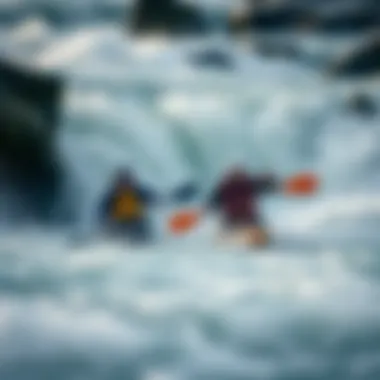
Here’s where it gets a bit spicy. The Tuolumne River, located in the Sierra Nevada, is recognized for its breathtaking sections boasting some of the most dynamic rapids in California. Characterized predominantly by Class IV to V challenges, it requires a bit of experience to navigate its thrilling waters.
The river's key characteristic is the unique combination of technical precision required to maneuver through sharp turns and steep drops. This is not just for the thrill; it’s also about mastering the flow of the water and predicting changes in the current, making it a truly rewarding challenge for skilled rafters.
However, with rewards come risks. Only seasoned kayakers or rafts should attempt this craggy gem, especially in high water conditions. The early summer offers fantastic flows, but safety gear and good judgment are imperative.
Oregon: The Untamed Rivers
Oregon's rivers are often described as reflections of the rugged, untamed west, embodying not only adventure but a test of skills against the might of nature's forces. Whitewater enthusiasts often rave about the variety and challenge found here, particularly in the Rogue and Deschutes Rivers.
Rouge River Exploration
The Rogue River is as iconic as it is diverse, offering everything from calm waters suitable for leisure floaters to segments that light up the adventurer in us with Class III and IV rapids. Known for its stunning scenery and diverse wildlife—think lush forests and breathtaking canyon views—the Rogue invites paddlers with a well-rounded experience.
The river's prime draw is not only the thrill of the rapids but also the opportunity for scenic camping along its banks, making it a top pick for overnight trips and group adventures. However, due to its seasonal flow, timing is important; the best rapids occur during spring runoff, while late summer may offer a gentler experience.
Deschutes River Challenges
The Deschutes River, known for its fierce rapids and dramatic landscapes, stands in stark contrast to the more mellow sections elsewhere. This river is perfect for experts looking for challenging adventures. With multiple Class III to IV sections, it caters to those ready to take on the bolder side of whitewater rafting.
Adventurers delight in the unique opportunity to navigate fast-moving water while taking in views of the canyon walls that tower above. The river's challenges reward determined rafters with a true sense of accomplishment. Nonetheless, novices should approach with caution, as the rapids can quickly sweep the unaware into a game of catch-up.
Notable Rapids in the East
The Eastern United States boasts a variety of thrilling rapids, attracting adventurers seeking excitement in their water excursions. These rivers not only challenge skills with diverse classifications and flow patterns, but they also hold a rich history and scenic landscapes that enhance the overall experience for those who paddle them. From the wild waters of West Virginia to the charming yet challenging Lehigh River in Pennsylvania, exploring these rapids delivers unique experiences that cater to both seasoned rafters and families alike. Let’s dive into two of the most notable rivers in this region.
West Virginia: The Gauley River
Gauley Season Insights
The Gauley River is the crown jewel for whitewater enthusiasts in the East, famed for its intense rapids and stunning scenery. The unique aspect that makes the Gauley River stand out is its season, primarily the autumn runoff, which creates optimal conditions for whitewater rafting. The Gauley Season, which typically runs from mid-September to late October, brings thrilling flows that cater to varying skill levels, attracting rafts packed with adventurous souls.
This time frame is not just about adrenaline; it’s also a chance to witness the fall foliage transform the landscape into a vibrant tapestry. The key characteristic of the Gauley River during this season is the robust river flow, which often reaches Class V ratings, making it a favorite among experts. However, it does come with warnings. The intensity during peak runoff can be exhilarating but also quite hazardous, making it necessary for rafters to tread carefully and remain vigilant.
"The Gauley isn’t just an adrenaline rush; it’s a blend of nature’s beauty and water’s wild side."
Notable Features of the Gauley
Among the notable features of the Gauley River is its series of rapids, particularly the infamous 'Sweet' and 'Canoe' rapids. These standout sections infuse the river with a character that keeps adventurers coming back for more. Sweet, renowned for its steep drops and colossal waves, perfectly exemplifies the thrill that the Gauley offers. In contrast, Canoe presents a true challenge as it requires precise navigation and teamwork.
What makes these rapids ideal for this article is their challenging nature, which serves to not only test the limits of seasoned rafters but also offers training grounds for newcomers aiming to level up their skills. The downside, however, is that the difficulty can be daunting for less experienced paddlers, necessitating the importance of safety gear and guidance during outings.
Pennsylvania: The Lehigh River
Family-Friendly Sections
The Lehigh River in Pennsylvania provides an entirely different feel, catering to families and beginners looking for fun on the water. The highlight of the Lehigh is the family-friendly sections that allow for a more relaxed pace without sacrificing enjoyment. These areas, particularly the Lower Lehigh, are classified at lower grades, making it a suitable introduction to rafting.
Families can enjoy leisurely paddling, even allowing for a few fun splashes and small rapids that keep excitement levels high without overwhelming participants. The charm of the Lehigh lies in its accessibility and the opportunity to bond over shared adventures, significantly broadening the appeal of rafting as a family activity.
Thrilling Rapids Description
For thrill-seekers who crave an adrenaline pulse, the Upper Lehigh section offers rapids that take rafting up a notch. With sections rated from Class II to Class IV, these set pieces blend exhilarating rapids with breathtaking scenery that ranges from rocky outcrops to lush greenery.
The captivating feature of the Upper Lehigh’s rapids is the varied features that it presents—from calm stretches perfect for chatty paddlers to sudden swells that require quick reflexes. This variety allows for both relaxation and excitement, making it an enticing choice for this article. Yet, a word of caution as well; the more turbulent waters demand familiarity and respect for the river's unpredictability.
In summary, the East Coast's rapids hold distinct personalities and experiences, making them essential for any adventurer's radar. Whether looking for a family outing on the Lehigh or seeking to conquer the challenges of the Gauley, these waters provide rich tributaries of excitement and exploration.
Understanding Rapid Ratings and Safety
Whitewater rafting might seem thrilling, yet it’s crucial to understand the metrics used to gauge the daring rapids ahead. Rapid ratings serve as a compass of sorts for adventurers, indicating what one can expect from the river. Knowing the grade of rapids is invaluable; it ensures both safety and enjoyment for all. Clear comprehension can make the difference between a delightful splash and a harrowing situation.
Classifying the Rapids
The American Whitewater Affiliation classifies rapids into six distinct classes, ranging from Class I for amateur hour to Class V which separates the seasoned warriors from the hopefuls. In addition to this classification, many local experts offer their insights into what truly awaits paddlers in their waters.
- Class I: Moving water, gentle waves, and easy navigation – perfect for novices.
- Class II: Slightly more challenging, with some small waves and rocks to navigate.
- Class III: Intermediate, with more significant waves and swift currents that require basic paddling skills.
- Class IV: Advanced. Expect large waves and intense rapids that demand strong paddling abilities.
- Class V: Expert level. These require precise maneuvers and are not forgiving of poor choices.
- Class VI: Unrunnable. These rapids should be avoided by all except the most experienced and daredevil kayakers.


Understanding these classifications not only aids in choosing the right adventure level but also saves lives. A paddler's safety heavily relies on knowing the rapids' ratings – allowing for informed decisions.
Safety Gear Essentials
Equipping oneself with the proper gear is non-negotiable. Rafting isn’t just about the paddling, it’s also about being prepared for unexpected events.
Personal Floatation Devices (PFD)
Personal Floatation Devices are an essential lifeline. They keep adventurers afloat should they find themselves in unexpected waters. Selecting a PFD that's comfortable, fits well, and is rated for whitewater use is crucial. This choice ought to be influenced by the material it’s made of, which can affect buoyancy and ease of movement.
One standout characteristic is its design to allow the paddler freedom while also providing buoyancy. PFDs usually come with straps to secure the life vest during instance of fun splashes or accidental slips. However, it is important they are not overly bulky, as excess weight can be counterproductive when making quick maneuvers on the river.
Helmets and Safety Equipment
When venturing into whitewater, helmets are not just a guideline; they are a lifeline. Helmets protect against rocks and other hazards, and are considered a must-have alongside life vests. A quality helmet should encompass good fit and reliable padding for safety.
The primary advantage of using a helmet lies in its protective potential against head injuries while navigating turbulent waters. Look for helmets constructed specifically for whitewater, emphasizing durability and comfort. Despite their significance, paddlers occasionally find helmets intrusive, which can lead to neglecting this critical safety element.
Preparing for the Adventure
Preparation plays a pivotal role in shaping the overall experience of a whitewater trip. Diligent planning and physical readiness can enhance your enjoyment and safety on the water.
Physical Conditioning for Rafting
Getting in shape for a rafting adventure isn’t just recommended; it’s vital. Excellent physical conditioning ensures that paddlers can tackle rapids without fumbling or tiring too quickly. Strengthened core muscles improve balance and agility on the raft while cardio endurance provides the stamina needed for those long paddling stretches.
Participating in activities that closely mirror the demands of rafting, such as swimming, running, or mountain biking, can boost one's physical preparedness. Conditions can turn quite quick on the river, and having the strength and endurance as a foundation is a major asset. One downside, however, would be overtraining, which should be avoided as fatigue can lead to accidents.
Understanding Weather Patterns
Weather plays a profound role in river dynamics. The flow level can significantly change based on temperature and precipitation. Familiarizing oneself with weather forecasts and patterns before heading out helps in understanding how the rivers will act during your adventure.
For instance, rapids change drastically after a rainfall, often rendering them more challenging – which may seem enticing for seasoned adventurers but can be dangerous for newbies. Understanding these shifts is essential for making a smart choice regarding not just the timing of your trip, but the kind of trip you choose altogether. The caveat with weather is its unpredictability; even with the best planning, unforeseen conditions can arise unexpectedly.
With these factors in mind, the forthcoming adventure becomes less about survival and more about savoring the wild beauty of nature, while keeping safety woven into every experience.
Seasonal Considerations for River Navigation
When it comes to navigating the rapids, understanding how different seasons affect river conditions is essential. This knowledge not only impacts the safety and enjoyment of your adventure but also dictates the kind of experiences you can expect on the water. Each season brings its own set of challenges and opportunities, whether it's the gushing flows of spring, the balmy days of summer, or the cooler temperatures in autumn. Adventurers who grasp these seasonal shifts can make informed decisions and enjoy their river escapades to the fullest.
Spring Runoff Dynamics
In the spring, as snow covering many mountain ranges begins to melt, rivers run high and fast. This time is often known for spring runoff, which creates thrilling rapids but can also pose significant risks. The allure of increased water levels draws seasoned rafters and newcomers alike looking for a joyride through nature's rollercoaster.
During this period, outfitters may offer guided trips that take full advantage of the robust flow rates, particularly in states like Colorado and California. It's crucial, however, to note that the rapids can transition quickly from moderate to severe. Being aware of the precise water levels and local river conditions is mandatory. Here are some considerations as you prepare for spring:
- Hydration skills: Ensure your team is prepared for characteristic conditions of cooler, wet weather and rapid currents.
- Understanding river flow: Familiarize yourself with real-time data about river levels. Websites like American Whitewater can offer valuable insights.
- Skill assessment: Evaluate the skill levels of everyone in your group to avoid pushing beyond abilities in swift currents.
"The secret of adventure is to know where you are going, but let the river surprise you."
Summer Conditions and Flows
Summer’s arrival marks a change in river dynamics. The high water levels from spring begin to taper off as temperatures soar, leading to more stable flows that can enhance the lying mood of the rivers. They're often more accessible, making summer a prime time for families and recreational paddlers looking to enjoy the great outdoors.
The warmer weather also brings with it challenges, such as increased recreational traffic on rivers. Make sure to account for the busier environment:
- Safety first: Anti-collision practices are critical. Stay alert to fellow paddlers as they navigate alongside you.
- Flow changes: Watch for reduced flow rates as weather patterns affect the water supply. Some turns might become hair-raising, while others smooth out, challenging your adaptability.
- Stay sun-smart: Don't forget the sunscreen! Prolonged exposure on sunny days can take a toll even before hitting the rapids.
Autumn Challenges
As leaves begin to turn and temperatures drop, autumn redefines the river experience yet again. The once-bustling waterways slow down, and flows may change dramatically due to reduced rainfall and snowmelt. Paddling in this season introduces unique obstacles, such as shifting debris and shallower channels in some rivers.
This period tends to be quieter, making it attractive for those seeking solitude. However, there's more to consider:
- Hazard awareness: Be on the lookout for fallen branches or other detritus in the water, which can create unexpected challenges.
- Temperature fluctuation: Pack accordingly for the cooler weather—dampness can creep up quickly when temperatures dip.
- Wildlife encounters: Autumn can present breathtaking sightings of migrating birds or other wildlife, giving you a unique perspective on nature as you navigate the waters.
As you gear up for your next whitewater adventure, being aware of these seasonal considerations will help you enjoy the rivers safely and thrillingly. Equip yourself with the right knowledge about spring runoff dynamics, summer flow conditions, and autumn challenges to ensure an unforgettable experience.
Gear for Success in Whitewater Adventures
When you embark on the exhilarating journey of whitewater rafting, having the right gear isn’t just a nice-to-have; it’s vital for both safety and enjoyment. The water can be unpredictable, and even the most seasoned paddler can run into trouble without proper equipment. High-quality gear means you can focus on the rapids ahead rather than worrying about your safety.
Choosing the right gear can make or break an adventure. Think of it as equipping your armor before heading into a battle against the river's wild currents. Each component of your rafting equipment serves a purpose, from ensuring your buoyancy to providing protection from rocks. Additionally, gear can enhance the thrill of your ride, making the experience more immersive and dynamic.
A common mistake amongst beginners is underestimating the importance of investing in suitable equipment. Spending extra on a reliable raft or quality safety gear not only cushions your ride but can also save you from unnecessary headaches down the line. Always keep in mind that reliable gear lasts longer and performs better through varying river conditions.
Choosing the Right Raft
Selecting the ideal raft is one of the most critical steps in preparing for your whitewater adventure. Not all rafts are built the same, and understanding the differences can impact your experience significantly. There are several types of rafts tailored for different water conditions and paddling styles. Here are a few considerations:
- Material and durability: Look for rafts made from heavy-duty PVC or Hypalon. These materials resist abrasions and punctures, essential when navigating rocky rivers.
- Size and passenger capacity: Depending on your group size, you’ll want to choose a raft that fits comfortably. A 6-8 person raft works well for family adventures, while smaller inflatable kayaks could be suitable for solo trips.
- Shape and design: The shape dictates how it handles the water. For rapid waters, a raft with a wide beam offers stability and better maneuverability.
- Inflation system: Rapid inflation systems save time at the launch site and get you into the fun quicker.
Ultimately, research different brands and models before making a decision. Consider seeking advice from experienced rafters who can share insights and preferences based on their experiences.
Accessories to Enhance Experience
Once you have your raft settled, picking the right accessories can level up your rafting experience. Some enhance safety, while others simply make the adventure more enjoyable:
- Throw bags: A must-have for safety, they can help rescue someone if they fall out. Always keep one within reach.
- Paddles: Look for lightweight paddles that balance strength and ease of use. Adjustable paddles may even be beneficial if there are multiple paddlers with different heights.
- Dry bags: These keep your valuables safe and dry, whether it’s your phone, snacks, or a spare change of clothes. Trust me, wet socks from a capsized trip can ruin your day.
- First aid kit: This should include essentials like band-aids and antiseptic wipes. Safety first, always!
- Water shoes: Invest in rugged yet comfortable footwear that offer grip and keep your feet safe from sharp stones or biting cold.
By adding this array of components to your gear, you prepare not just for the expected challenges of the river but also for those unexpected moments of adventure. Embracing the right gear brings peace of mind and enhances your experience with camaraderie, allowing adventurers to focus on what matters—navigating the wild and thrilling waters ahead.
"The right gear is like a trusted friend on the river; it catches you when you fall and pushes you back when you need it most."
A well thought-out gear selection can indeed make your rafting journey not just safe but memorable. Making informed choices transforms the river from a daunting challenge into an exhilarating playground.
Exploring Unique River Experiences
When it comes to whitewater rafting and adventure sports, the river experience can make or break a trip. This section dives into the distinctive offerings of guided tours and self-guiding as well as the critical aspects of campsites and accommodations. Understanding these elements not only enhances the thrill but also ensures safety and comfort on your journey, leading you to memorable escapades amidst nature’s beauty.
Guided Tours vs. Self-Guiding
Choosing between guided tours and self-guiding is like picking between a scenic freeway and a lesser-known dirt road. Guided tours offer a safety net, led by experienced professionals who know the ins and outs of the river. They can provide valuable insights into river features, local history, and safety protocols. Additionally, they often supply equipment and ensure that you don’t face a sticky situation alone. For those less experienced or seeking a stress-free outing, this is undeniably a wise choice.
Self-guiding, on the other hand, appeals to the adventurous heart. There’s something about navigating the rapids on your own, testing your skills, and relying solely on your instincts. Before you jump into this option, however, it’s crucial to assess your skills and the river’s conditions. Carrying map data and knowing the route can save your bacon. In essence, making this decision boils down to your comfort level and desire for either guidance or autonomy.
Campsites and Accommodations
Finding the right place to rest your head after a long day on the water is essential. Campsites and accommodations can set the stage for your entire river experience.
Planning for Overnight Trips
Planning for overnight trips allows adventurers to dive deeper into the river’s bosom without rushing against the setting sun. It gives you the chance to explore off the beaten path, engage more fully with your surroundings, and create unforgettable moments around the campfire.
One of the key characteristics of overnight trips is the blend of challenge and leisure. It’s not just about conquering the rapids; it’s about soaking in the surroundings and connecting with fellow adventurers under the stars. It can also be a beneficial choice considering that it can save on commuting time, maximizing your enjoyment.
However, there's a unique feature tied to overnight trips: the need for proper planning. Packing the right gear, understanding your schedule, and considering weather can all be tricky, if not handled with care. But ultimately, the reward—a breathtaking sunrise wrapped in tranquility—strikes like a home run.
Choosing Camp Locations
When it comes to Choosing Camp Locations, it’s much like selecting your deck of cards in a game of poker. A prime spot can enhance your experience, while a poor choice might leave you wishing you had another hand.
A desirable camp location can often mean proximity to the river with stunning views, easy access for both launching off for the next day’s adventure or lounging about under the trees. It can provide a sense of safety and peace, which allows you and your companions to fully decompress.
However, there are disadvantages tied to poorly chosen sites as well. Being too close to the water might raise the risk of flooding at night or create issues with chilly drafts. Therefore, it's essential to weigh these factors carefully. Finding that balance can lead to a rewarding experience that amplifies every moment spent along the river.
Choosing the right campsite is one of the building blocks for creating those unique river experiences that can assure some thrilling tales and cherished memories.
Engaging with the river through guided tours, self-guiding, and thoughtfully choosing accommodations ultimately shapes the adventure of a lifetime. Each decision you make enhances the overall experience, ensuring that every twist and turn along the way is both thrilling and fulfilling.
Ending: Embracing the Adventure
As we draw this exploration of America's exhilarating rapids to a close, it's imperative to reflect on the core essence of these adventures. Whitewater rafting is more than just a sport; it represents a profound connection to nature, a test of skill, and an opportunity for personal growth. Embracing the adventure means recognizing the thrill that these roaring rivers bring, while also understanding the responsibility that comes with it.
Encouraging Responsible Exploration
In your quest for adventure, being a responsible explorer is key. Rivers are dynamic environments where conditions can shift faster than a jackrabbit. It’s crucial to respect the power of water and the fragility of surrounding ecosystems. Here are a few considerations to think about:
- Always check the weather and river conditions before setting out. Conditions can change, making familiar waters treacherous.
- Opt for guided tours if you're a novice. Seasoned guides know the rivers backwards and forwards. They can steer you away from mishaps while also giving you a taste of the excitement.
- Leave No Trace behind: Be mindful of your impact on nature. Bring waste bags, avoid littering, and use established campsites whenever possible. Mother Nature deserves better.
- Educate yourself and your fellow adventurers about safety gear. This includes wearing a Personal Floatation Device (PFD) and a properly fitted helmet at all times.
"One doesn’t just float on the river; they learn to dance with its flow."
The responsibility doesn’t stop once you're out on the water. After an exhilarating day of navigating whitewater, take time to reflect on what you learned. Share these experiences and safety tips with others. This fosters a culture of informed adventurers who prioritize safety alongside the thrill of the ride.
As you plan your next river adventure, remember: every rapid you conquer is an opportunity for growth. Embrace the exhilarating chaos, but do so with a sense of respect and caution. In the end, it’s not just about the rivers that stir your adrenaline; it’s about the journey and the wisdom gained along the way.